
Pixar’s Toy Story 5 arrived on Disney+ today, September 23, 2026, marking the streaming debut of a film that has already cemented its status as a commercial powerhouse. Following its theatrical premiere on June 19, the fifth installment in the flagship franchise earned approximately $1.146 billion at the global box office, successfully navigating the high expectations set by its predecessors.
Directed by veteran Andrew Stanton and co-directed by Kenna Harris, the film follows the conclusion of Toy Story 4. While the previous entry seemed to offer a definitive farewell to Woody, the character returns from his “lost toy” travels to rejoin his old friends for a new crisis. This time, the existential threat isn’t a rival toy or a landfill, but the changing landscape of childhood play itself.
The Conflict: Traditional Toys vs. The Tablet
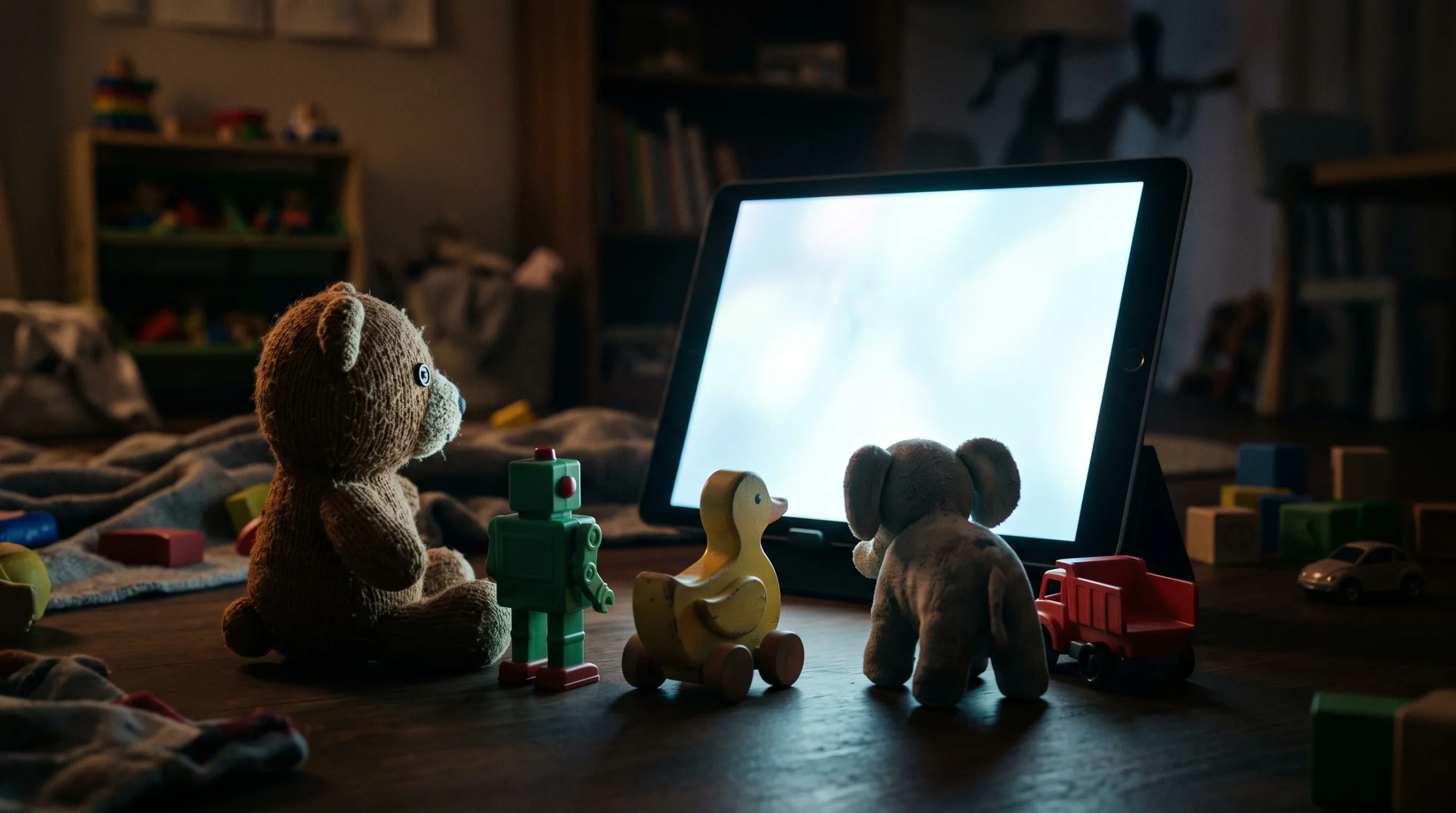
The central narrative of Toy Story 5 focuses on the toys’ struggle to remain relevant in an era dominated by screen time. The primary antagonist is Lilypad, an anthropomorphic educational tablet voiced by Greta Lee. Unlike previous villains who were often motivated by personal rejection, Lilypad represents a systemic threat—the allure of high-tech digital interaction that leaves physical toys gathering dust.
While Tim Allen returns to voice the original Buzz, his character provides a comedic counterweight to the film’s more serious themes as the toys attempt to navigate the new challenges of the playroom.
Jessie Takes the Reins
While Tom Hanks returns to voice Woody, the narrative weight of this installment shifts significantly toward Cowgirl Jessie, voiced by Joan Cusack. The film serves as a spiritual sequel to her established backstory from Toy Story 2, placing her at the helm of the group’s leadership. This focus allows the franchise to explore new emotional territory, centering on Jessie’s growth and her response to the evolving needs of their owner, Bonnie.
The cast is further expanded by new voices, including Conan O’Brien as a character named Smarty Pants. Adding to the film’s high-profile marketing is an original song by Taylor Swift titled “I Knew It, I Knew You.” The track became a viral element during the film’s theatrical run and remains a core feature of the home viewing experience.
For parents and long-time fans debating whether to return to this well, Toy Story 5 offers a blend of familiar nostalgia and a modern critique of digital parenting. The film manages to justify its existence by addressing the very real “tech vs. toy” conflict that has defined the last decade of play, all while maintaining the emotional core that has characterized the series since 1995.