

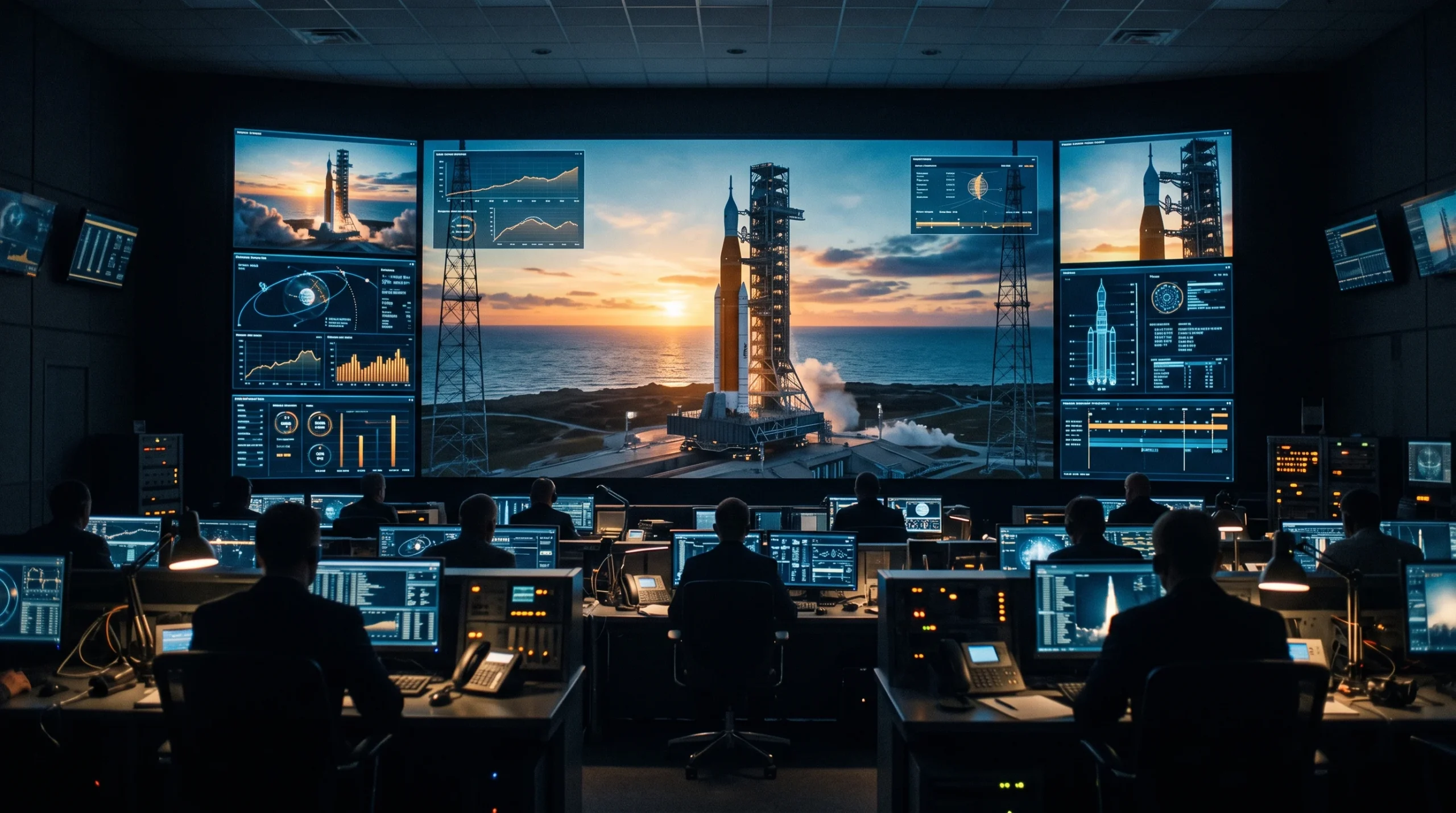
Netflix is expanding its live broadcast portfolio today, October 1, 2026, by streaming the NASA SpaceX Crew-13 mission to a global audience. The launch is scheduled for 11:10 a.m. EDT (1510 GMT) from Space Launch Complex 40 at Cape Canaveral Space Force Station.
This move follows the significant viewership success of the Artemis II lunar mission earlier this year. According to Netflix’s H1 2026 engagement report, the previous NASA broadcasts garnered 3.8 million viewing hours. The partnership highlights a strategic pivot for the streaming giant, treating live science events as a proven ratings driver rather than an experimental format.
The Crew and the Spacecraft “Grace”
The mission features a multinational crew of four. The mission crew includes NASA’s Jessica Watkins and Luke Delaney, Canada’s Joshua Kutryk, and Russia’s Sergey Teteryatnikov.
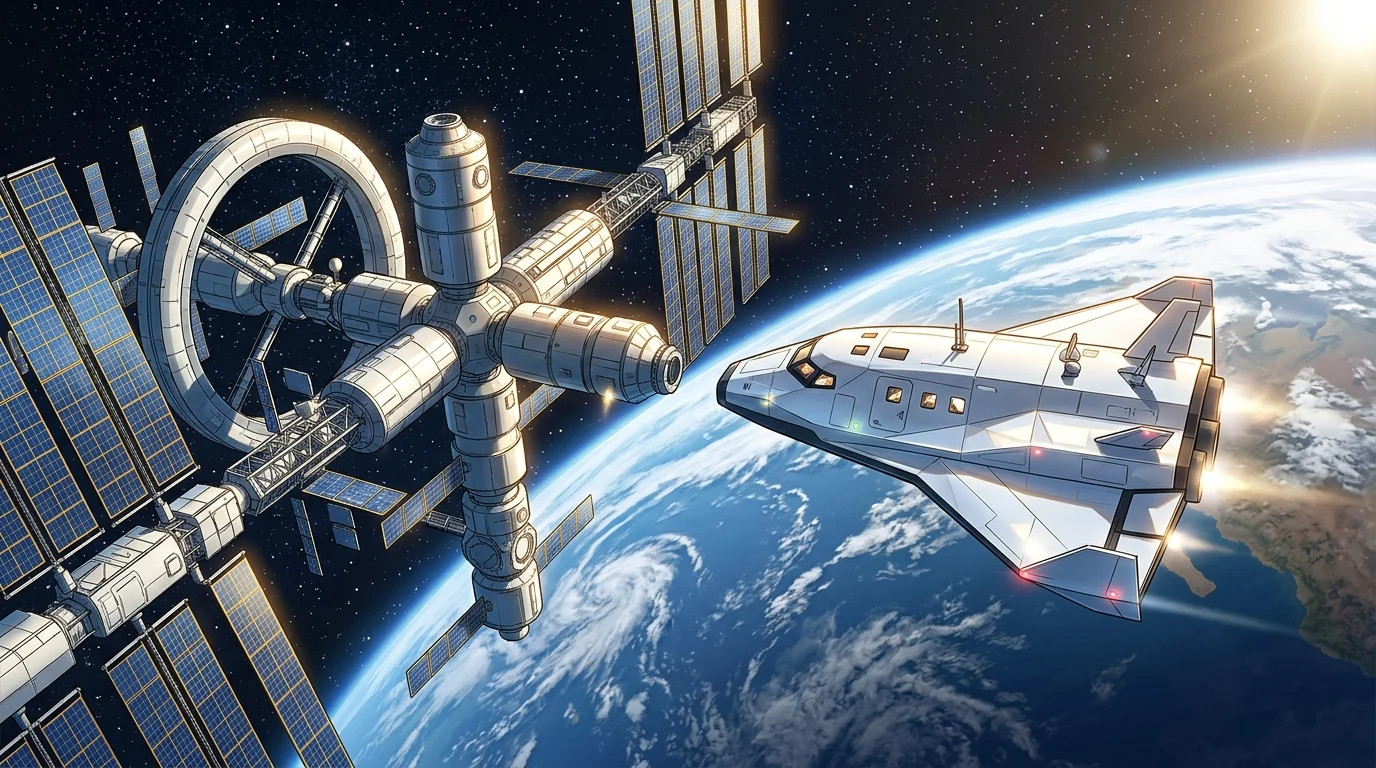
The crew will travel aboard the Crew Dragon spacecraft named “Grace.” In a departure from many previous crewed launches from the Florida coast, this mission will utilize the newer second crew tower at Space Launch Complex 40, rather than the historic Pad 39A.
Chasing a Speed Record
Beyond the broadcast itself, Crew-13 is attempting a technical milestone that could set a new standard for orbital transit. The mission aims to reach the ISS in approximately 7 hours and 50 minutes. If successful, this would establish a new record for the fastest journey to the station by a U.S. spacecraft.
The rapid transit is part of ongoing efforts to streamline docking procedures and reduce the time astronauts spend in the confined environment of the Dragon capsule before entering the more spacious laboratory of the ISS. Netflix subscribers worldwide can watch the ascent and the initial stages of the record-breaking attempt live on the platform’s main interface.
This continued collaboration with NASA comes after the April 2026 success of Artemis II, which saw a crew perform a 10-day lunar flyby before splashing down on April 10. The high engagement from that mission has effectively solidified “prestige live” science events as a permanent fixture in Netflix’s content strategy alongside its traditional sports and entertainment specials.