
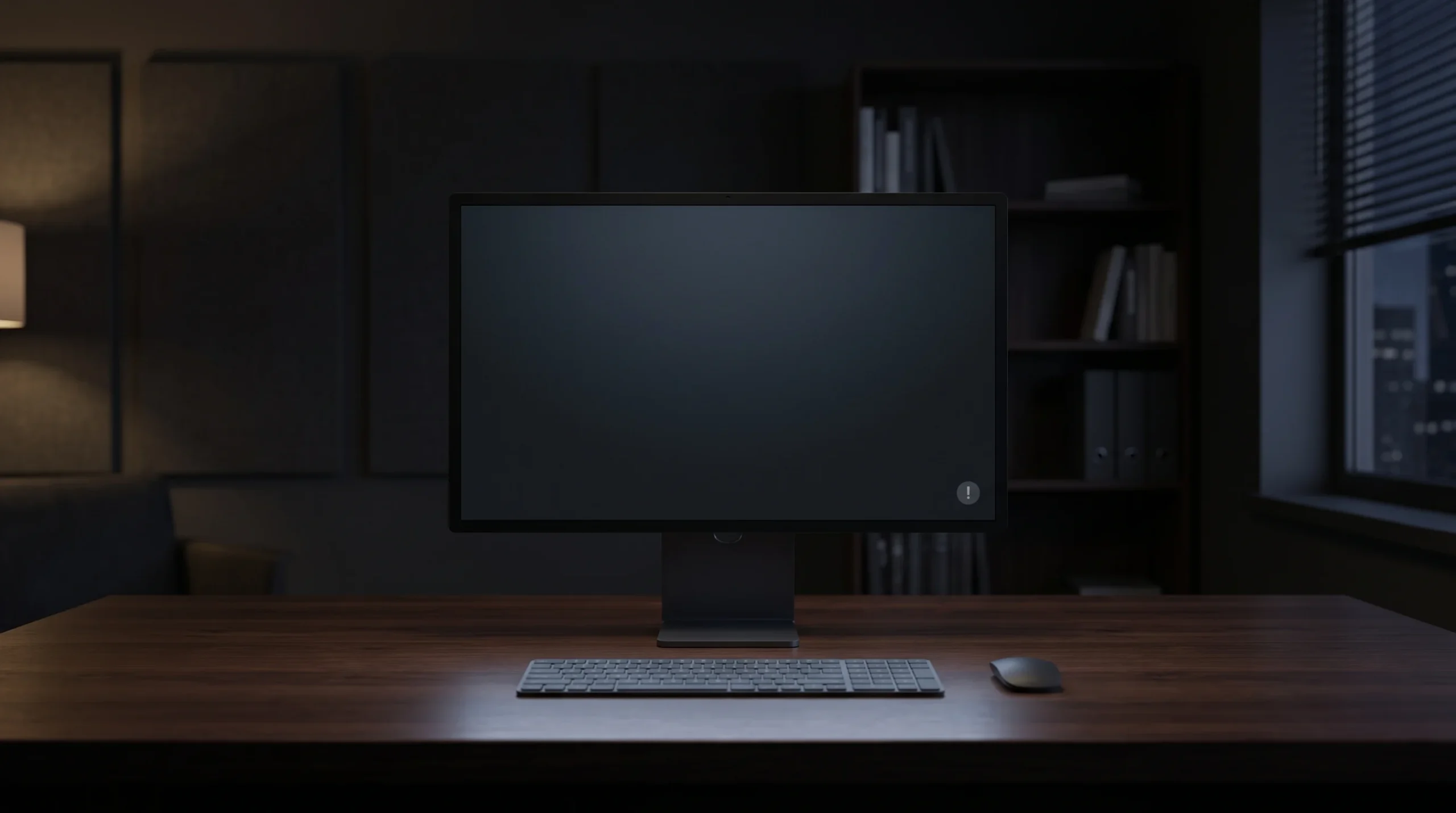
Official footage released by the Kremlin to document Vladimir Putin’s participation in the 2026 State Duma elections has revealed that the Russian president is still utilizing American hardware and unactivated Microsoft software, despite years of state-mandated “import substitution” policies. While casting his online vote between September 18 and 20, the footage clearly displayed an “Activate Windows” watermark in the bottom-right corner of his computer monitor.
The presence of the watermark suggests the operating system is either an unlicensed copy or has failed to verify its license with Microsoft’s servers—a likely consequence of Microsoft suspending sales and services in Russia following the 2022 invasion of Ukraine. The footage identified the operating system as Windows 10, a platform that reached its official end-of-life (EOL) for standard consumer support in October 2025. By using an EOL operating system for official government business in late 2026, the Kremlin appears to be bypassing standard security protocols that typically require the use of supported, patched software for heads of state.

The hardware itself further complicates the Kremlin’s narrative of technological independence. Analysts have identified the monitor in the footage as a Dell U3011, a legacy American-made display. This reliance on Western hardware persists even as Russia has aggressively promoted domestic alternatives like the Elbrus processor and specialized operating systems such as Astra Linux or RED OS, which are legally required for use by government officials and critical infrastructure providers.
The Gap in ‘Digital Sovereignty’
The use of legacy American tech by the Russian presidency underscores significant hurdles in the country’s electronic sovereignty strategy. Recent data indicates that Russia’s domestic microelectronics program has struggled to meet its goals; the target for domestic component use by 2030 was recently scaled back from 80% to 58.7% due to persistent funding shortages and the impact of international sanctions on the supply chain.
The technical gaffe occurred during a three-day election cycle that concluded on September 20, 2026. While the 9th State Duma elections were held, the legitimacy of the process has been widely dismissed by the international community. On September 21, Global Affairs Canada joined the EU and Australia in a statement condemning the elections as a violation of international law, specifically citing the inclusion of voting stations in occupied Ukrainian territories.
Beyond the geopolitical implications, the “Activate Windows” watermark highlights the practical difficulties the Russian state faces in maintaining its IT infrastructure. Without access to official Microsoft activation channels, even the highest levels of the Russian government appear to be resorting to unverified software environments. This creates a unique security paradox: while the Kremlin seeks to isolate its digital infrastructure from Western influence, it remains tethered to Western operating systems that no longer receive official security updates, potentially leaving the presidency’s own hardware vulnerable to the very external threats it claims to be defending against.