
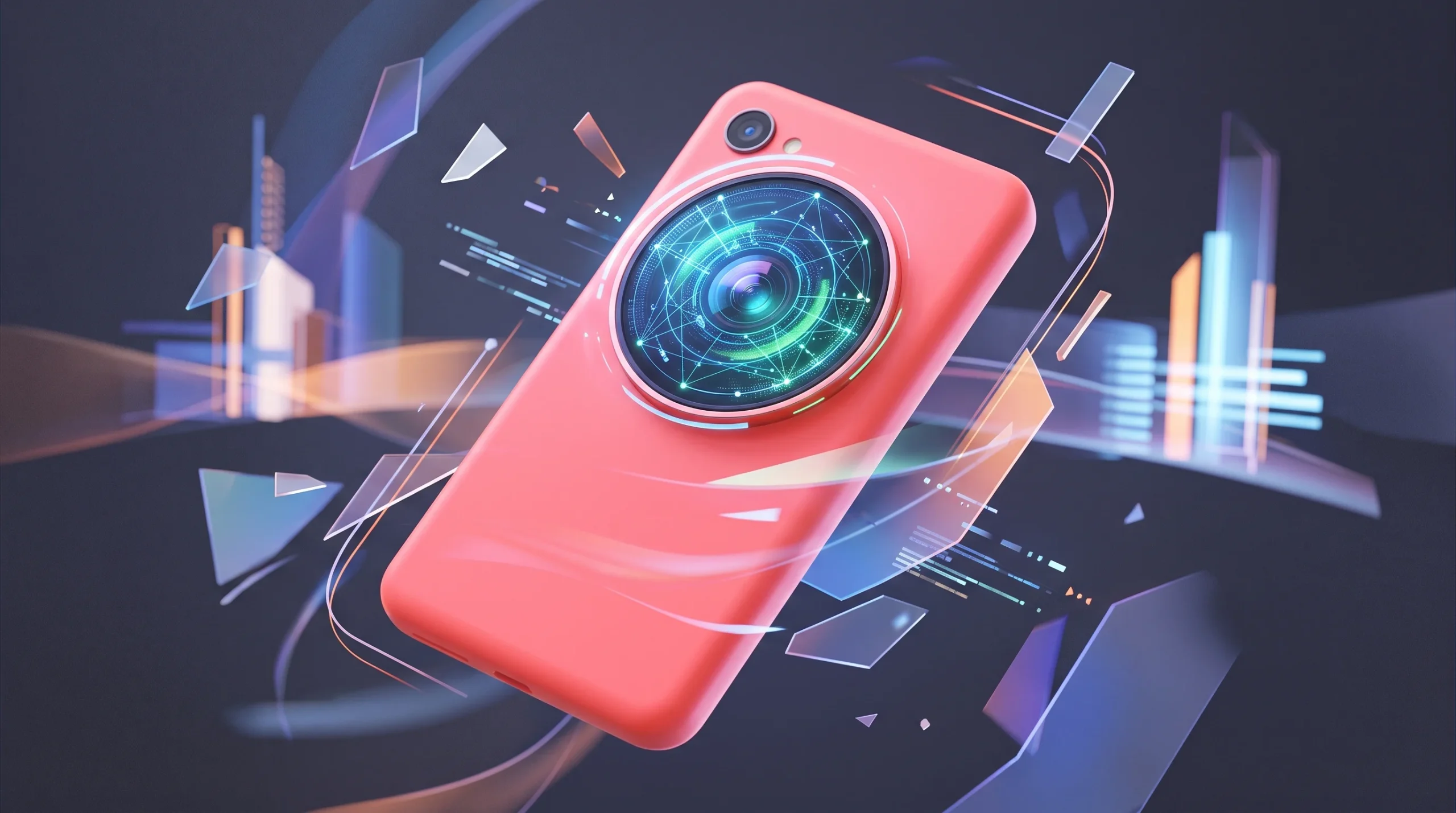
The Freckle Phone is attempting to avoid the “AI gadget curse” by rooting its identity in a traditional utility: the restricted mobile device. While high-profile AI-centric hardware launched in the past year has often been criticized for lacking a clear purpose, the Freckle Phone is positioning its upcoming hardware as a specific tool for the parental tech market, prioritizing functional limitations over open-ended AI capabilities.
Backed by Alexis Ohanian’s Seven Seven Six venture firm, the project represents a departure from the “AI-in-your-pocket” model popularized by earlier startups. Instead of trying to replace the smartphone with a voice-activated assistant, the device uses AI to enhance a narrow set of tasks within a highly controlled software environment. This “utility-first” strategy appears designed to solve the purpose problem that plagued recent AI-first hardware failures.
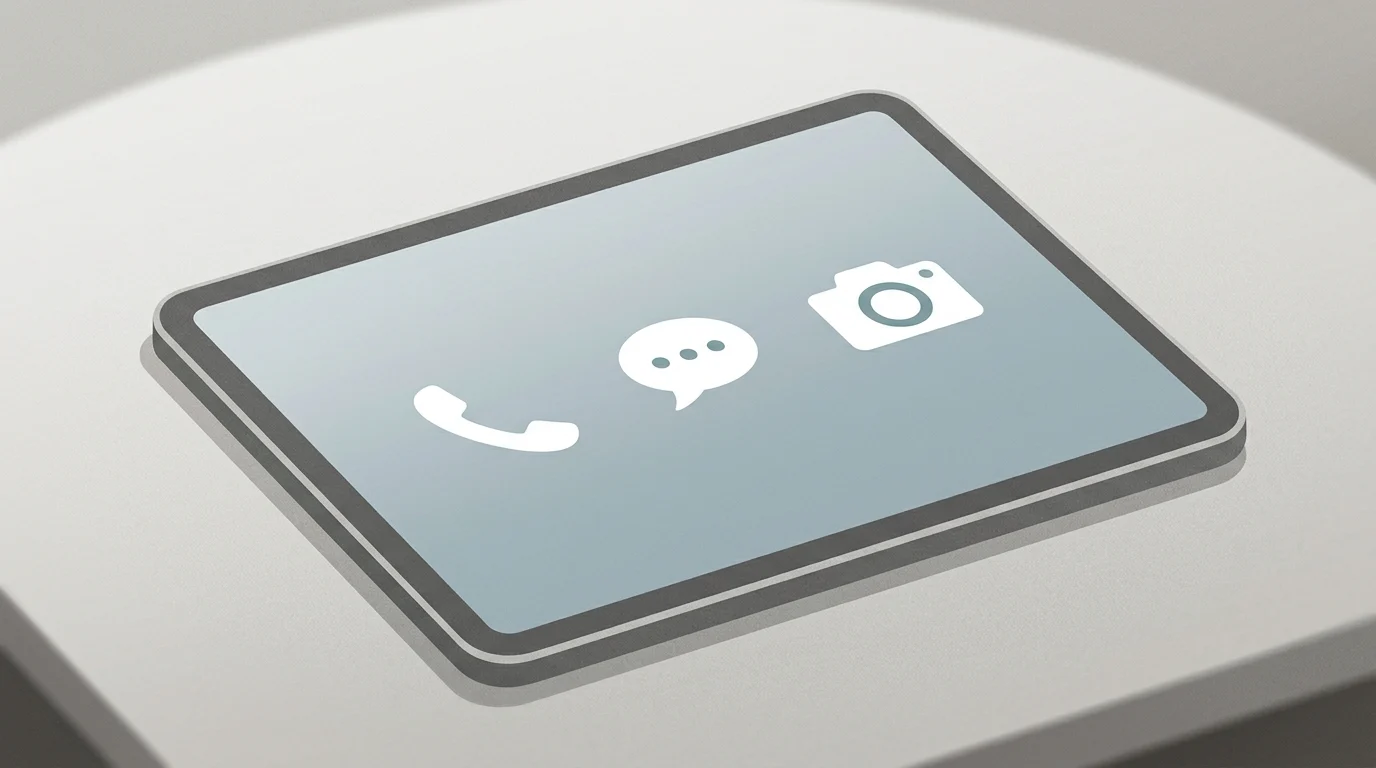
The core of the hardware’s functionality is ClayOS, a custom-skinned version of Android. To ensure a focused experience and satisfy safety concerns, the operating system intentionally omits both a web browser and an app store. By stripping away these standard features, the device focuses on providing a secure platform where AI serves as a supplemental tool rather than the primary interface.
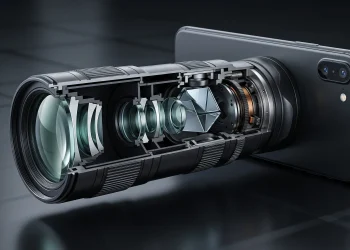
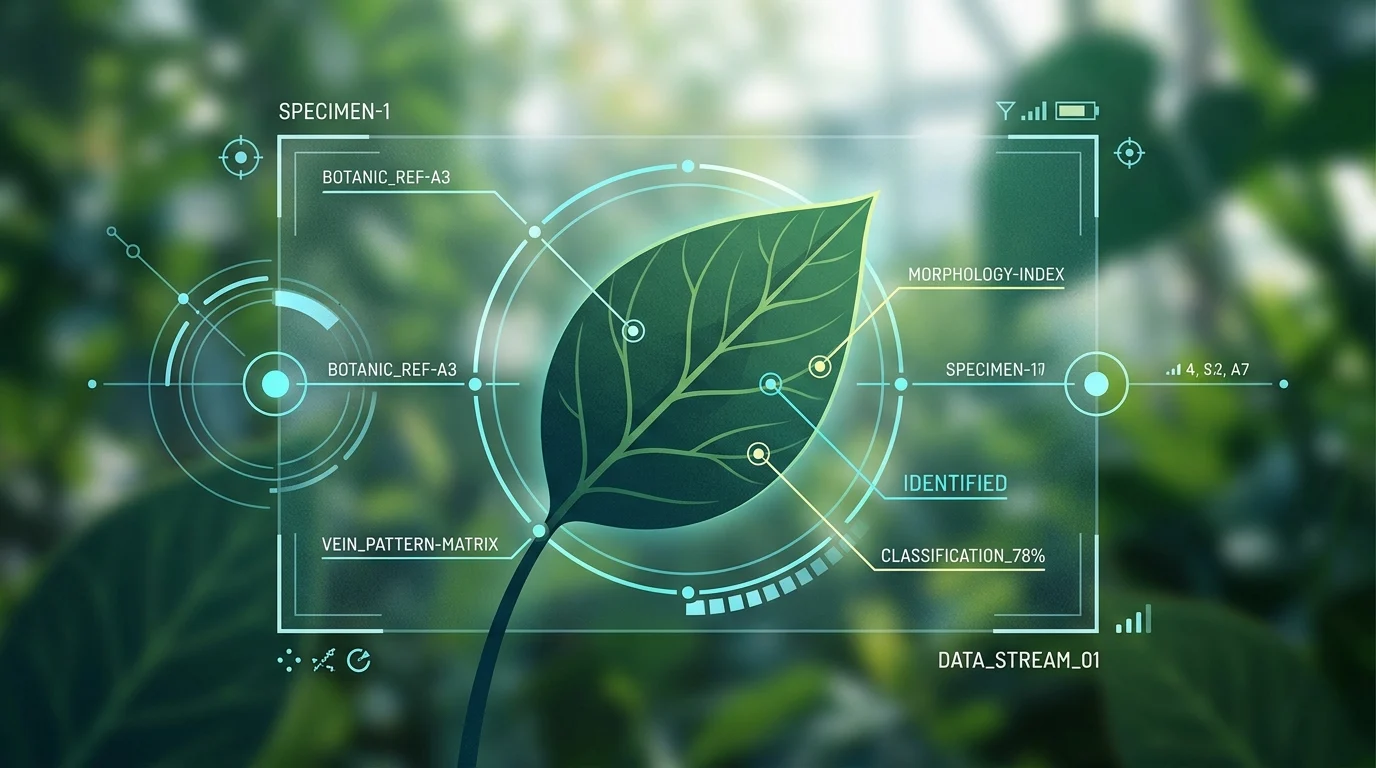
One of the central AI features is the “Discovery Camera.” This tool uses vision models to identify plants and animals in the user’s environment, turning the device into an interactive educational assistant. This focus on active exploration suggests the company is aiming for a niche where utility and supervision outweigh raw processing power.
Market Positioning and Timeline
Financially, the company is following a hardware-plus-service model common in the “safe phone” industry. The device is priced at $199, and its operation requires a $25 monthly fee for Freckle Wireless service. While the product is not scheduled to ship in the United States until December 2026, the company has already opened pre-orders, requiring a $25 reservation deposit to secure a unit.
The nearly two-year lead time is notable in a fast-moving sector where AI models often become obsolete within months. However, the specialized nature of ClayOS suggests that the hardware’s longevity may depend more on its restrictive ecosystem than on having the most advanced generative capabilities. If the company can deliver on its promise of a “safe” hardware environment, it may succeed by providing a product that fulfills a pre-existing demand for child-safe connectivity rather than attempting to disrupt the broader smartphone market.