
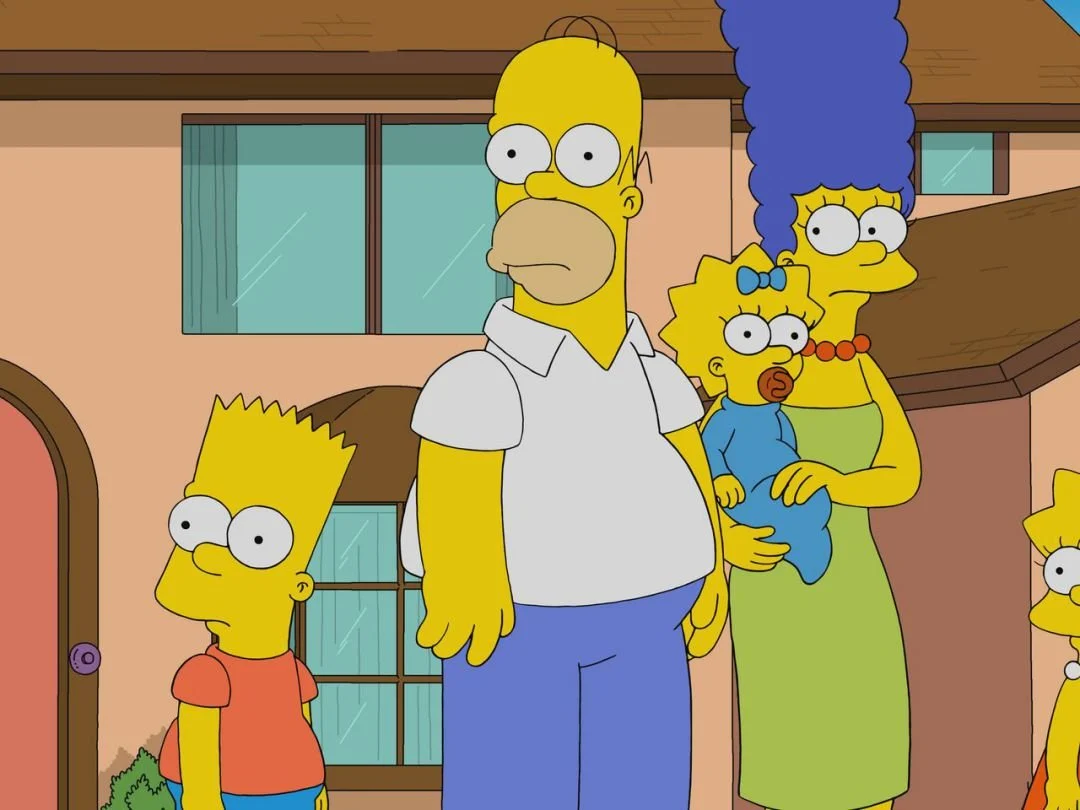
When Disney launched in Hong Kong, subscribers found out that they canceled an episode of The Simpsons based on their references to the Tiananmen Square massacre in China. PEN America responded to the case, criticizing Disney for censoring the episode in an area where Chinese politics is technically useless.
James Tager, research director at PEN America, wrote: “Disney’s decision to end the Tiananmen incident in Hong Kong is another sign of concern that some of the most famous companies in the United States and United United will keep their commitment to freedom expressed. “But if it’s politically favorable to them.”
He said: “Perhaps the most disturbing implication reported by the New York Times is that Disney may have censored the censorship of the episode itself, even at the request of the Chinese authorities.” Tager concluded: “This form of preventive self-censorship is the end of the game for all censors: the goals of having police censorship.”
A New York Times report quoted by Tager cites a statement from Dr. Grace Leung from the University of Hong Kong, who named out that Disney +’s self-censorship was undesirable. “Clearly, Disney has sent a clear signal to the local community that it will cut back on controversial programs to please [the Chinese government].” He said in the report that Disney was ready to sacrifice Hong Kong as a publicly accessible market on the Chinese mainland.
Some claim that season 16 of The Simpsons episode “Goo Goo Gai Pan” was censored by the National Security Act passed by Beijing in June 2020 against Hong Kong. The law hits the media, but only the cinema. And watch TV. It’s not about streaming.
In addition to the blows to former Chinese leader Mao Zedong, the Simpsons had at least two references to the Tiananmen Square massacre: a reference to a photo of Tank Man and a picture that read of a license plate “Tien The Men’s Square”: 1989, Nothing happened, “the parliamentary efforts of a government led by the Chinese Communist Party to crack down on the event in China. Censorship of the massacre is a growing problem in Hong Kong. It has closed a museum of exhibits commemorating the killings. In addition, it effectively banned the annual vigil on June 4 to celebrate the assassination, and the host organization was disbanded.