

Xiaomi officially debuted the Xiaomi 18 Pro and 18 Pro Max in China on September 23, 2026, coinciding with the annual Snapdragon Summit. While the new flagships maintain an aesthetic profile often compared to recent iPhones, the internal specifications represent a significant shift in mobile hardware, featuring the first smartphone processor to reach a 5.0 GHz clock speed and a specialized hardware-level privacy screen.
The Pro Max model is powered by the Snapdragon 8 Elite Extreme Gen 6. This chipset marks a technical milestone as the first mobile processor to hit the 5.0 GHz threshold. To support these power requirements, Xiaomi has implemented “Jinshajiang” silicon-carbon battery technology. These batteries utilize a 32% silicon content to increase energy density, allowing for a 7,000mAh capacity in the 18 Pro and a record-breaking 8,500mAh capacity in the Pro Max.

Hardware-Level Privacy and Display Tech
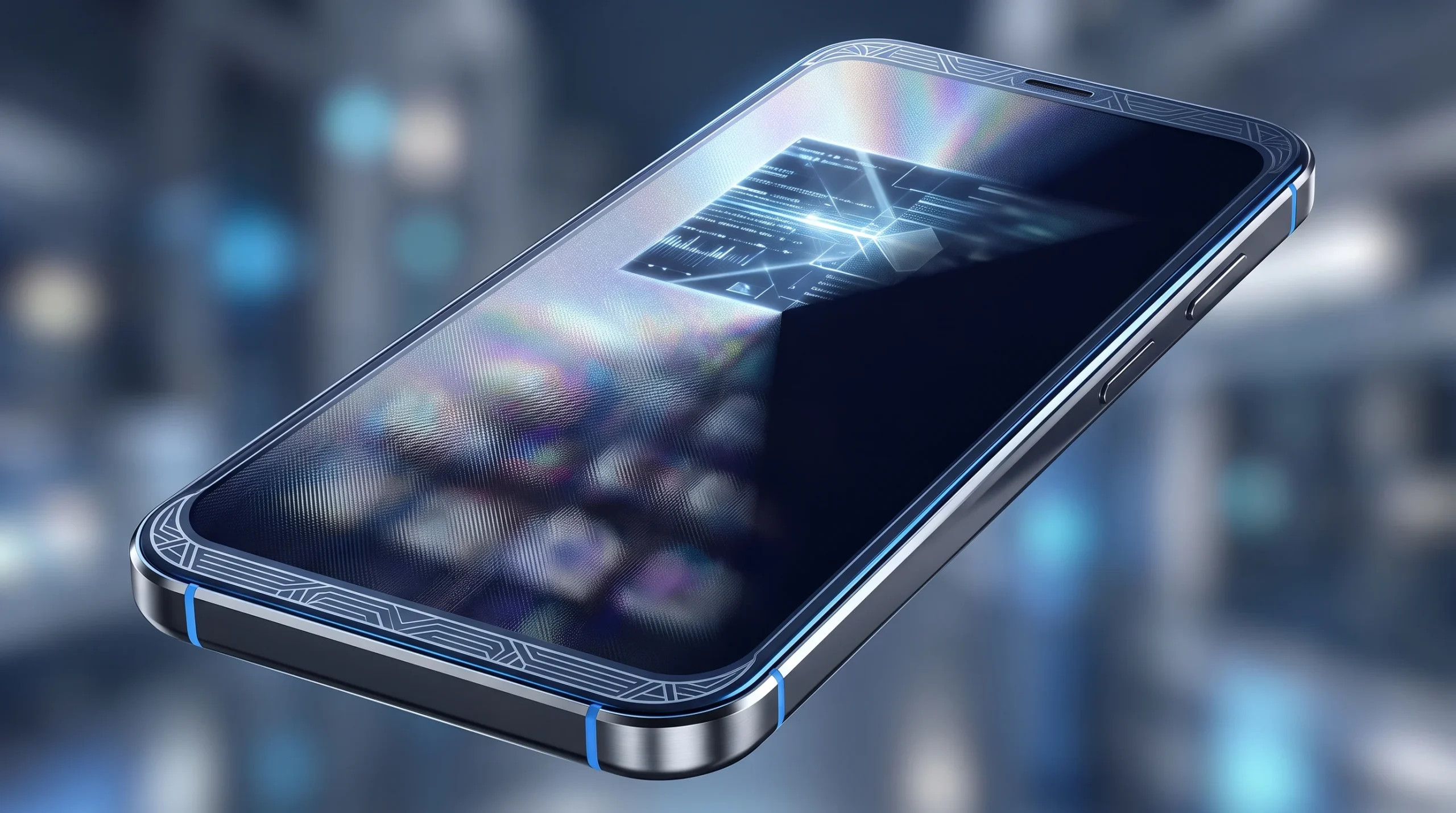
One of the more distinct features introduced with the 18 series is the “Smart Privacy Display.” Unlike software overlays or standard screen protectors, this is a hardware-level implementation that restricts viewing angles to 60 degrees. According to reported technical specifications, the system allows for granular control, enabling users to apply the privacy filter to specific apps, floating windows, or split-screen modes rather than the entire display at all times.
On the rear, Xiaomi has included secondary OLED displays for notifications and camera previews, alongside a 200MP “Light Hunter 960” main sensor. This sensor uses LOFIC (Lateral Overflow Integration Capacitor) technology to improve dynamic range in challenging lighting conditions.
Pricing and Global Availability
Xiaomi has priced the 18 Pro starting at ¥5,999 (approximately $895), while the 18 Pro Max begins at ¥6,999 (approximately $1,045). For collectors, the company also brought back the “Transparent Special Edition” for the first time since the Mi 10 Ultra, featuring a red-accented design that showcases internal components through sculpted film.
While the initial launch is limited to the Chinese market, a global rollout is confirmed for late 2026 or early 2027. Major regions including Europe and India are expected to receive the devices, though current distribution plans likely exclude the United States and Australia.