
The transition of the Die Hard franchise from a standalone breakout to a multi-billion dollar series faced a significant behind-the-scenes hurdle: Bruce Willis no longer wanted John McClane to be funny. Speaking on a September 22, 2026, episode of his Harlin House podcast, director Renny Harlin detailed a major creative standoff during the filming of Die Hard 2 that nearly stripped the protagonist of his signature sarcasm.
According to Harlin, Willis entered the 1990 sequel with a firm directive for his character’s evolution. The actor reportedly viewed the quips and one-liners from the original 1988 film as “bullshit” and insisted on playing McClane as a “straight,” serious action hero. Harlin, who took over the directorial chair from John McTiernan, recalled feeling “powerless” as the lead star rejected the lighter elements that had initially defined the character.
The 8-to-1 Negotiation
The creative deadlock required intervention from producer Joel Silver. To resolve the conflict without halting production, a specific take-management strategy was established. Harlin and Silver negotiated a compromise with Willis: for every scene filmed, Willis would provide eight “serious” takes. In exchange, he agreed to provide exactly one “funny” take where he delivered the dialogue with the smirk and levity Harlin requested.
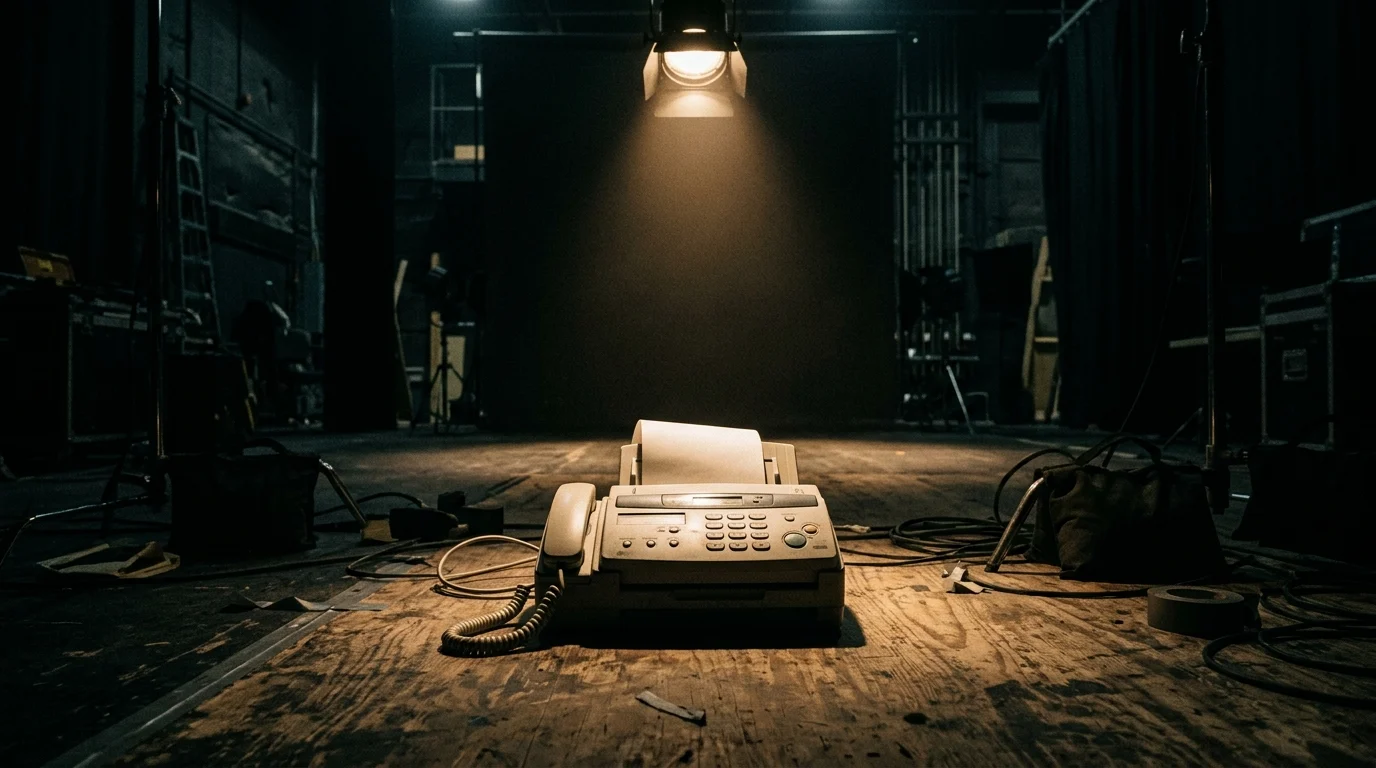
This 8-to-1 ratio allowed Willis to feel the character was being treated with the gravity he desired while giving Harlin the coverage needed to maintain the franchise’s established tone. One particular flashpoint in this negotiation was the line “Just the fax, ma’am,” a pun on the famous Dragnet catchphrase. Willis reportedly hated the line and initially refused to deliver it, requiring executive pressure to ensure it was captured on film.
Vindication in the Final Cut
Despite the overwhelming volume of serious footage recorded, Harlin revealed that the final theatrical cut leaned almost exclusively on the minority of takes. The director noted that virtually every instance of McClane smiling or delivering a sarcastic remark in the finished film came from those single “compromise” takes.
The insistence on maintaining the character’s humor was ultimately supported by the film’s commercial performance. Released on July 4, 1990, Die Hard 2 grossed approximately $240 million worldwide. This significantly outperformed the original film’s $143 million total, cementing the “everyman” persona as a vital component of the franchise’s longevity.
While the tension on set was palpable, Renny Harlin’s recollection suggests that the friction helped define the boundaries of one of cinema’s most famous action archetypes. The “serious” versions of John McClane remain in the vault, while the sarcastic takes defined the character for the subsequent three decades.