
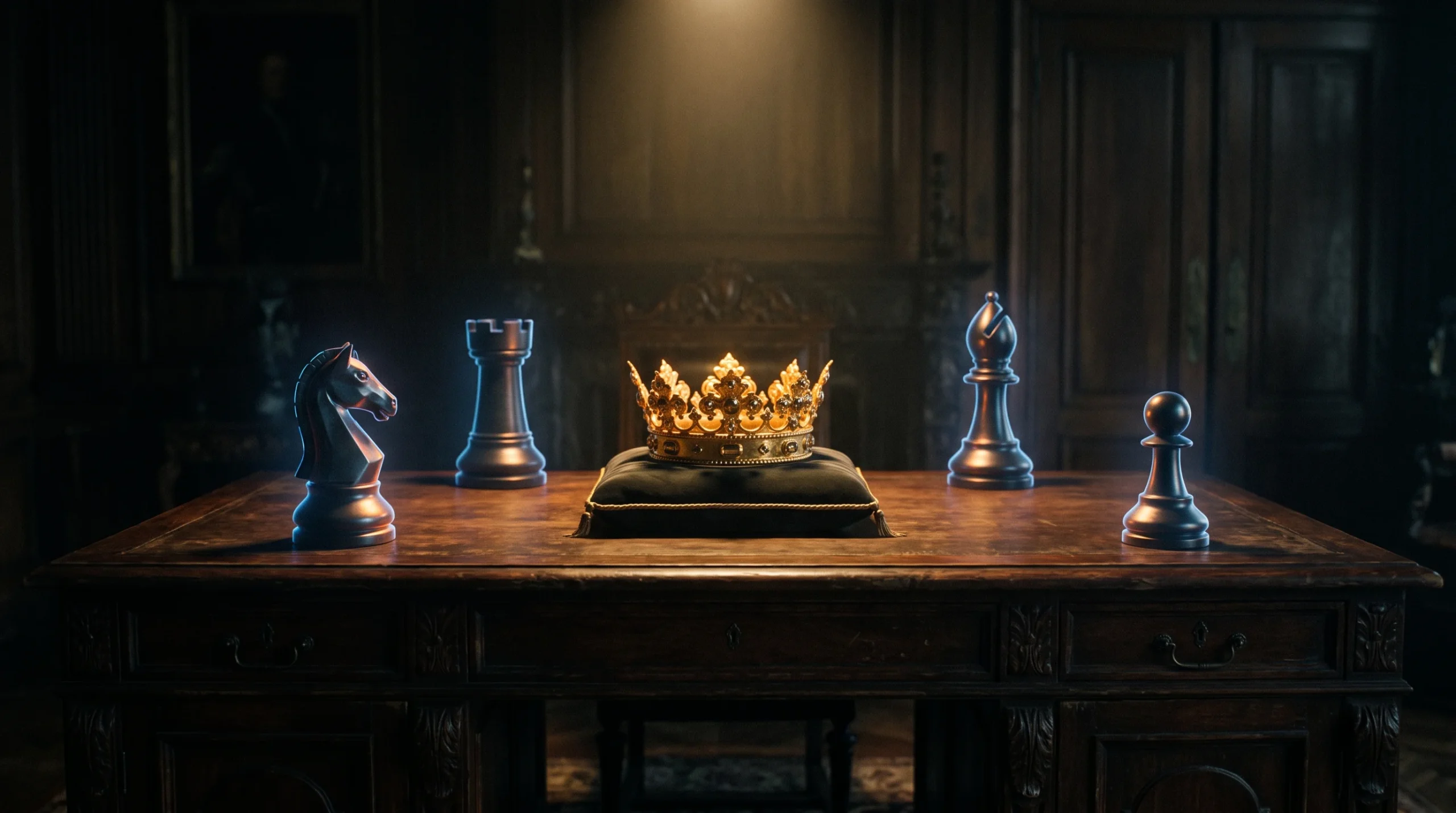
The second episode of MobLand Season 2, titled “Song 2,” pivots sharply from the internal friction of the Harrigan estate into a state of open warfare. While the episode title references the high-energy brevity of the iconic Blur track, the narrative content is defined by a “massive attack”—a coordinated, four-front assault orchestrated by Kat McAllister that signals the end of the Harrigans’ untouchable status.
Executive produced by Guy Ritchie and created by Ronan Bennett, the series has increasingly leaned into the “outsider versus machinery” dynamic. This episode serves as the catalyst for that conflict, moving past the introductory tension of the season premiere to show the tactical precision of McAllister and her primary “paladin,” Frankie.

The Four-Front Assault and the Harrigan Decline
The core of the episode is the tactical dismantling of the Harrigan family’s interests. Kat McAllister’s offensive is not a single strike but a series of synchronized moves designed to overwhelm a family already fraying at the edges. This external pressure coincides with the visible psychological decline of the family patriarch, Conrad Harrigan.
Played by Pierce Brosnan, Conrad displays a growing instability that suggests the “machinery” of the Harrigan empire is beginning to stall. In a telling moment of character breakdown, Conrad loses his temper over something as trivial as a parking ticket, a stark contrast to the calculated composure expected of a crime lord. This volatility suggests that the external assault by McAllister is hitting at a time when the family is least prepared to mount a cohesive defense.
The internal rot extends to Maeve Harrigan, portrayed by Helen Mirren. While Conrad faces the external threat with erratic outbursts, Maeve is shown engaging in a more intimate form of violence. Her plot to poison Seraphina using antifreeze underscores the “Tyrannicide Problem” that the episode explores—the idea that those in power are often most vulnerable to those within their closest circles.
Historical Metaphors and the Tyrannicide Problem
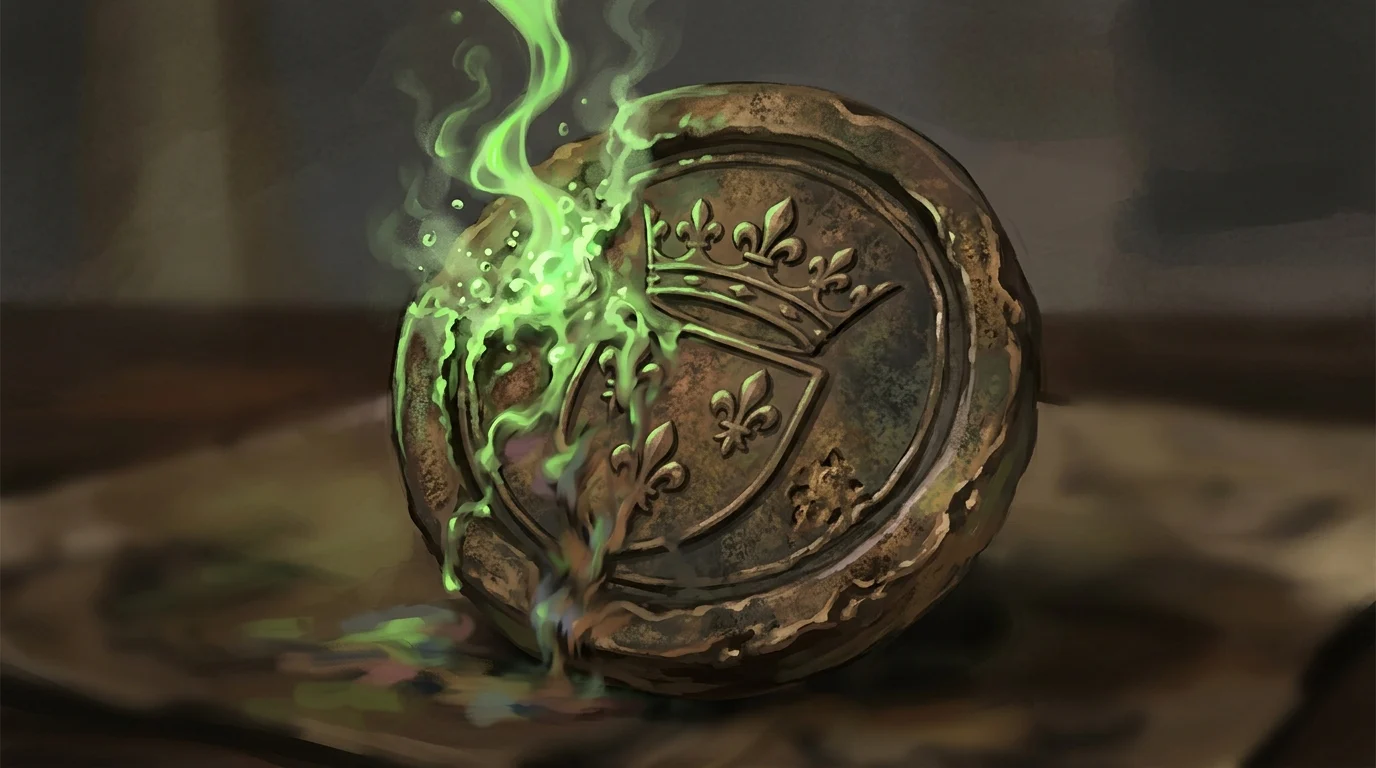
The episode utilizes a specific historical metaphor to frame the Harrigans’ current predicament: the 1610 assassination of King Henry IV of France. This reference to the death of “Le Bon Roi Henri” serves as an analytical anchor for the season’s themes of regime change and the inherent vulnerability of established power structures.
By invoking the 1610 assassination, the show suggests that the Harrigans are no longer viewed as legitimate rulers of their domain, but as tyrants whose removal is being justified by those seeking to replace them. Harry Da Souza finds himself caught in a different kind of personal collapse during this upheaval, as he is served divorce papers by his wife, Jan, further isolating the characters as McAllister’s net tightens.
Cliffhanger and the Road to Season 3
The episode concludes on a high-stakes cliffhanger that brings the violence directly to the Harrigan doorstep. The final moments see Frankie confronting Bella Harrigan at her home, leaving her fate—and the family’s immediate response—uncertain. This confrontation effectively bridges the gap between the strategic maneuvers seen earlier in the episode and the personal fallout that will likely dominate the coming weeks.
Viewers won’t have to wait long for the continuation of this assault; the third episode of the season is titled “Bonzo Goes to Bitburg.” The momentum of the series remains high, bolstered by Paramount+ officially renewing MobLand for a third season following strong viewership numbers for the franchise. As the assault transitions from the streets to the private homes of the elite, the “massive attack” initiated in “Song 2” appears to be only the opening volley in a much larger campaign of displacement.