


This video cannot be played
To play this video you need to enable JavaScript in your browser.
The chancellor said the changes in air passenger duty will reduce overall carbon emissions, despite forecasts leading to more than 400,000 extra flights.
Rishi Sunak used his Budget to cut taxes on domestic flights but raise them on long-haul travel.
Labor’s shadow chancellor said it was “surprising”, arriving a week before the COP26 climate summit.
Rachel Reeves said people should be encouraged to use trains instead.
- How green is Chancellor Rishi Sunak?
- What the COP26 climate summit could mean for all of us
- A really simple guide to climate change
Flying within the UK will become cheaper with passenger service cut in half, but the Chancellor is also raising tariffs on ultra long haul flights.
Mr Sunak told MPs on Wednesday that he wanted to remove an anomaly which meant people were taxed more to fly to the UK than to Europe.
It has led to accusations from opposition politicians and environmentalists that lower prices will trigger an internal flying boom, at a time when ministers are urgently trying to tackle climate change.
The Budget Responsibility Office predicts it could lead to more than 400,000 additional passenger journeys a year, an increase of 3.5%, a figure denied by the chancellor.
Friends of the Earth policy chief Mike Childs said the plans are “incredibly bad” and “will simply prolong the UK’s dependence on fossil fuels.”
And SNP Westminster leader Ian Blackford called the move a “shame” and urged the chancellor to dismiss it.
He said he had shown that “this is not a government that understands the climate challenge we all face” because the fact is that C02 emissions per mile are much higher on domestic flights than they are on domestic flights. long range”.

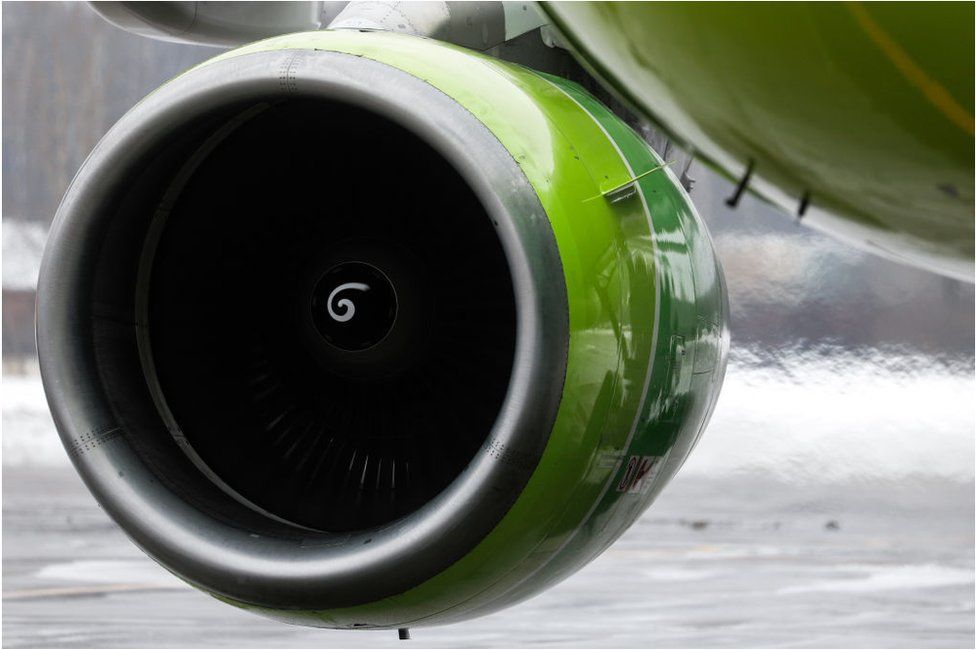
But speaking to BBC Radio 4’s Today program, Sunak said it was important to look at the “all-round” decision, along with the introduction of a new, higher tax bracket for “long-haul flights”.
He said he wanted to keep a previous commitment to reform the duty of air passengers, “to get back to the system we had, so that people flying to the UK don’t get taxed twice, which we never thought was right.”
He added: “It supports the Union, it supports regional airports which are large employers but also, if you take a step back, aviation in general only accounts for about 7 or 8% of our total carbon emissions. and of that, I think aviation is less than 5%, so it’s a minimal percentage. “
And speaking to BBC Breakfast, the chancellor said the policy would actually help the UK move towards its net zero goals.
He said: “Those who fly the furthest will pay the highest rates of APD (air passenger tax), which is consistent with our environmental goals, is a new band that will go into effect and, in fact, yesterday the body of independent oversight has said that our all-round plans will reduce carbon emissions and move us further along the path to net zero. “
Labor said it would not go ahead with the cut.
Rachel Reeves told Today she found “surprising that, the week before COP26, where we are supposed to show global leadership, we cut passenger duty on domestic flights.”
He added: “We should encourage people to use our rail network for those journeys.
“As I said yesterday, if you are a banker on a short haul flight sipping champagne, you would have cheered on the budget yesterday.
“If you have a modest income and are concerned about the rising cost of living, frankly there is very little to cheer about.”
Related topics
- COP26
- Rishi Sunak
- Budget 2021
- Climate change
-
Jet fuel from waste “drastically reduces” emissions
- Published
- March 15
-
The largest fully electric plane in the world takes to the skies
- Published
- May 29, 2020
-
Are cities as bad for the environment as we think?
- Published
- December 16, 2019
Read More about Politics News here.
This Article is Sourced from BBC News. You can check the original article here: Source


