
Seven years after its broadcast finale, The Big Bang Theory has reached a new milestone in the streaming era. For the first time in its history, the long-running sitcom climbed to the #1 spot on Nielsen’s Overall Top 10 streaming chart during the week of July 27 through August 2, 2026.
During that peak week, the series accumulated 1.141 billion minutes viewed, outperforming high-profile contemporary hits such as House of the Dragon and Ted Lasso. The show has maintained its dominance through September 2026, remaining at the top of the Acquired chart for the week of September 7–13 with 971 million minutes watched.
The Stuart Effect
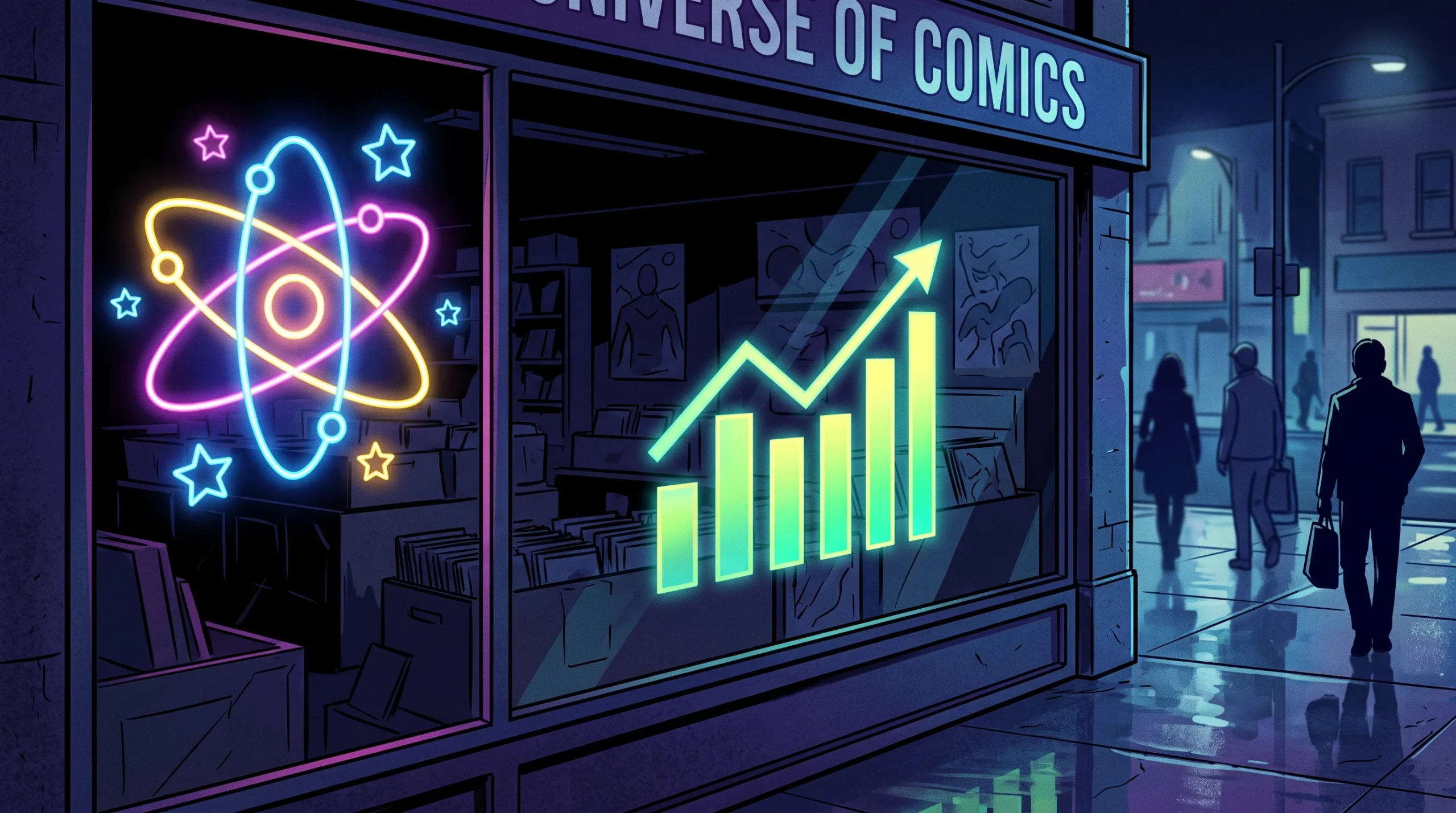
Industry analysts attribute this viewership surge to the “Stuart Effect,” sparked by the July 23 premiere of the Max original spinoff, Stuart Fails to Save the Universe. The new series stars Kevin Sussman as Stuart Bloom, the comic book store owner who became a fan favorite during the original show’s 12-season run.
Unlike the traditional multi-cam sitcom format of the flagship series, Stuart Fails to Save the Universe represents a significant genre shift into multiversal science fiction. The spinoff also features Lauren Lapkus and Brian Posehn, leaning into a narrative style that differs from the 279 episodes of the original series that concluded in 2019. This new installment appears to have driven a “Netflix Effect” on the Max platform, where a fresh franchise entry stimulates massive library viewership for the original catalog.
Future Developments and Renewals
The first season of the spinoff concluded on September 24, 2026. The finale included meta-commentary scenes filmed at Stage 25 on the Warner Bros. lot, the same stage where the original series was produced for over a decade. Due to the high performance of both the new series and the subsequent boost to the legacy title, Max officially greenlit Stuart Fails to Save the Universe season 2 in August 2026.
While The Big Bang Theory remains a staple of syndicated television, its recent chart dominance highlights how new, platform-exclusive expansions can revitalize older intellectual properties for a streaming audience.