


Ethiopian Prime Minister Abiy Ahmed said most of the country’s problems, including the import of disease, stem from foreign aid for grain.
“The problem with Ethiopia is aid to wheat. With aid to wheat comes disease,” Abiy said. “If we stop it, many of the problems will be solved.”
So is Mr. Abiy right to associate wheat imports with diseases and other challenges facing Ethiopia?
Ethiopia’s growing dependence on wheat
Wheat has not traditionally been a staple crop in Ethiopia, but it has grown in popularity in recent years, especially in urban areas.
It is now the largest wheat producer in sub-Saharan Africa, but production has consistently remained below demand.
The country has also faced food shortages and droughts, with millions of people in need of food aid.

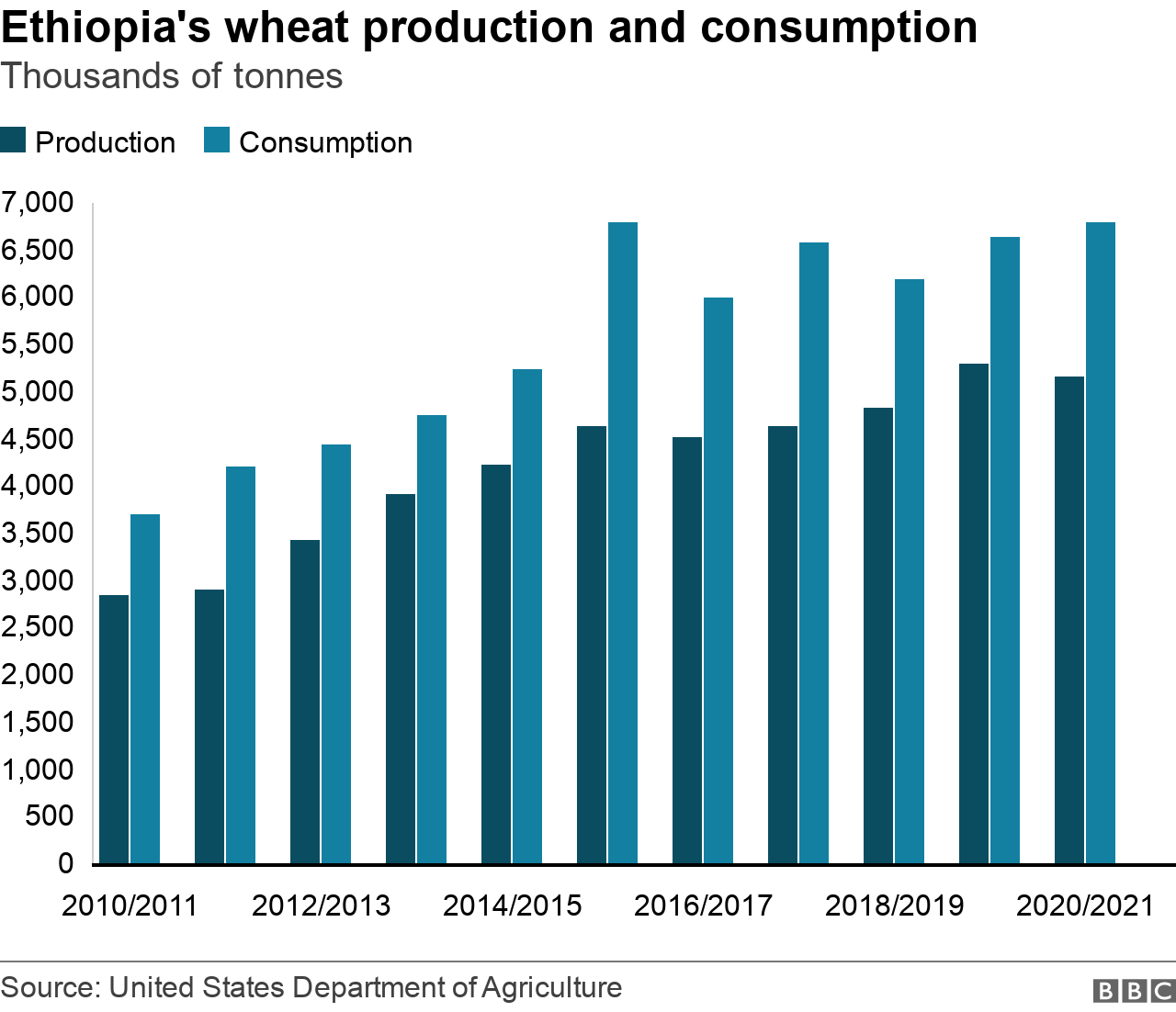
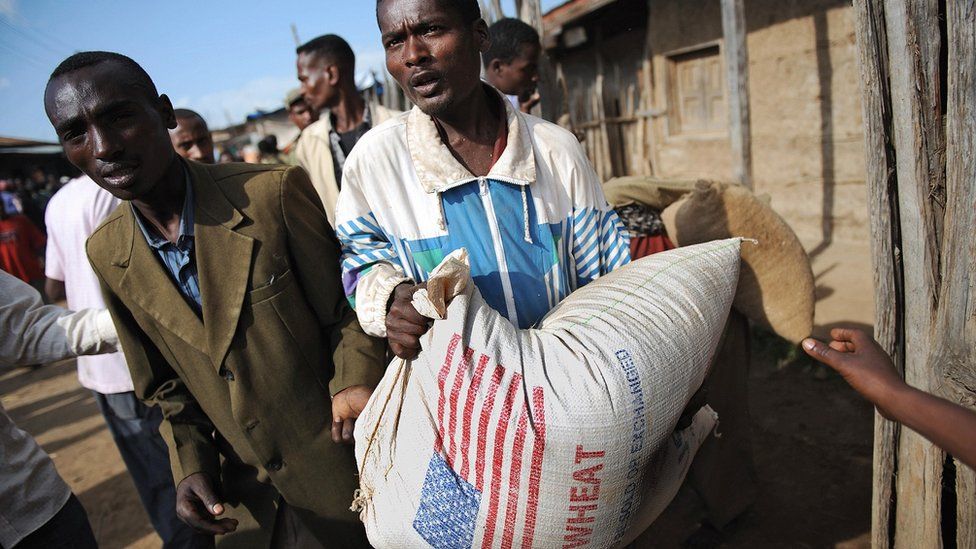
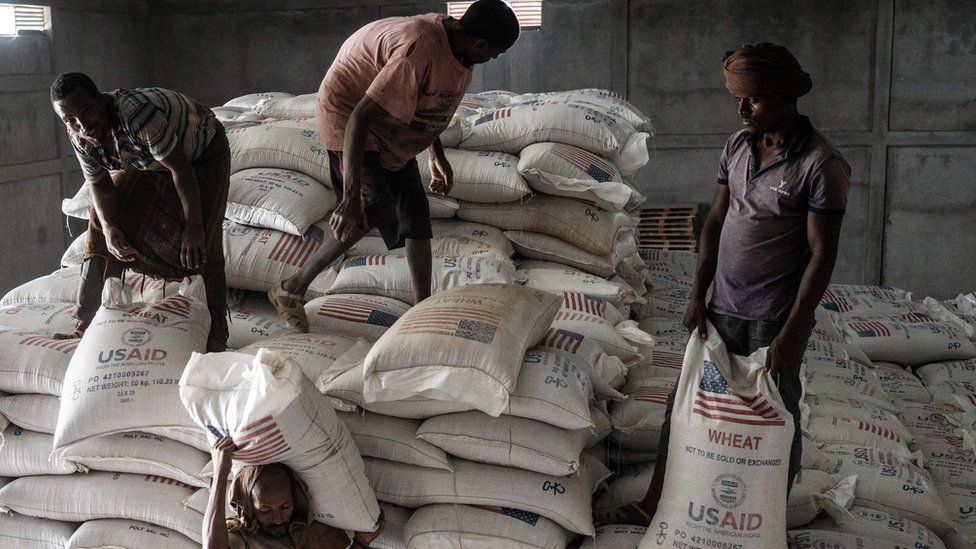
To meet the deficit, Ethiopia is currently importing about a quarter of its grain, and about a quarter comes as food aid, much of it from the United States.
Can wheat imports lead to disease?
Mr. Abiy was speaking to farmers in the Oromia region when he referred to the diseases introduced with imported wheat.
One of the most problematic diseases for farmers in Ethiopia has been wheat blight, caused by a wind-borne fungus.
An outbreak in 2010 affected 30% of the cultivated areas and production reduction of over 15%.

The most effective method of controlling wheat rust is by breeding resistant wheat cultivars, but new strains of the fungus pose an ongoing threat.
In 2013, a new variant of stem rust was able to attack a previously hardy wheat variety (known as digalu), leading to widespread losses.
A study published in 2017 shows this particular variant of the mushroom probably originated from Yemen before flying across Ethiopia. However, it does not exclude that it may also come from other countries in the Middle East or East Africa.
It’s certainly possible that crop diseases and pests could enter a country through aid or imported crops, says Wuletaw Tadesse Degu, a grain production expert at the International Center for Agricultural Research in Arid Areas.
This is especially likely in countries where quarantine structures are weak.
“There have been claims that many of the weeds and aggressive pests currently prevalent in the country have been imported,” he says.
“Our rivers and lakes, farmland and pastures are threatened by aggressive weeds that did not previously exist in Ethiopia.”
Experts told the BBC that any grain arriving in a country must be carefully checked to make sure it is disease-free.
Globally, there are cases where the disease has spread through imports. One example is the explosion of wheat, which is transmitted by seeds and recently moved from South America to Bangladesh and Zambia through the grain trade.
For wheat rust, however, which is carried by the wind instead of being carried by the seed, it is not always true that new strains come from outside the region.
There is evidence that some new rust strains have evolved within the East African region as much as some have come from elsewhere.
The US agency for international development told the BBC: “US food assistance is subject to stringent quality controls to meet all international standards.” He added that the aid complies with local food safety and quality regulations.
What the Ethiopian government says
We asked the Ethiopian government for more details on the diseases the premier was referring to. His spokesperson, Billene Seyoum, told us that Mr. Abiy spoke more broadly about the need to move away from wheat and move towards healthier local produce.
“Obesity, diabetes, for example, are associated with high carbohydrate intake. So its overall message is centered around the need to reduce aid dependency by improving our agricultural productivity,” he said.
This response, however, does not explain why the government has problems only with imported wheat and not with the locally produced crop, which provides three-quarters of the country’s overall supply.
Ms. Billene also said that a direct result of breaking dependence on grain imports would be foreign exchange savings.
Ethiopia subsidizes the import of wheat, supplying it to large millers who in turn sell the flour to bakeries at controlled prices.
Stopping imports would mean the government no longer spends money on subsidizing these grain purchases.
“Reliance on aid has kept most Ethiopians, and Africans for that matter, from using resources effectively,” says Ms. Seyoum.
“The foreign exchange spent to import wheat will also begin to go to other productive sectors.”
Can Ethiopia grow more wheat?
Most of the wheat in Ethiopia is grown by small farmers.
With increasing mechanization, yields have doubled over the past 15 years according to government data.
However, productivity remains low and production is still below demand.
Traditionally, Ethiopia grows wheat in the highlands and is dependent on rain.
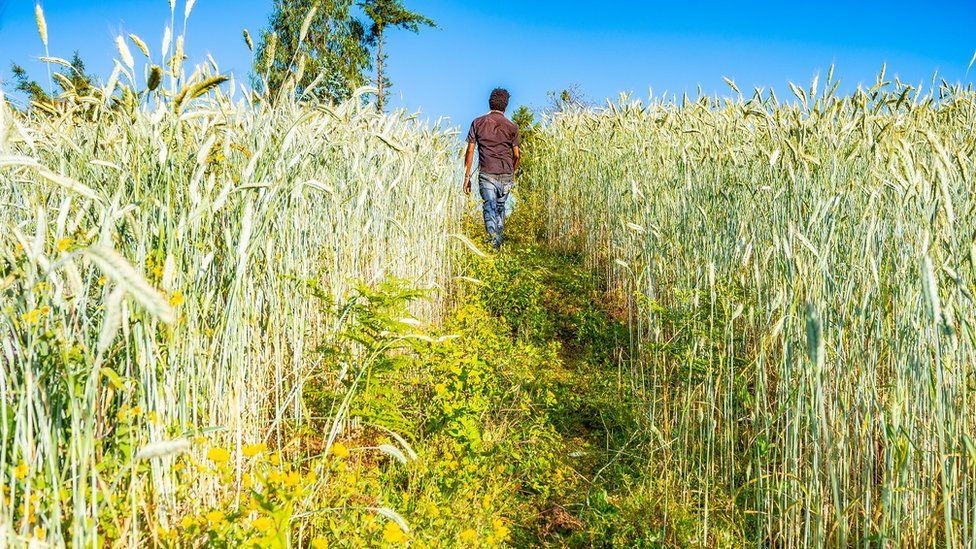
It is now integrating with the cultivation of wheat in the plains, which are often more arid, through irrigation.
The government is also encouraging “cluster farming,” mechanization, and subsidizing and distributing inputs such as high-quality fertilizer and seeds.
In this way, Ethiopia is pushing to completely stop importing wheat by 2023.
“It is a very realistic and achievable goal, since we have 500,000 irrigable hectares of land that are currently not cultivated,” says Tadesse.


Read more from Reality Check
Send us your questions
Related topics
- Reality check
- Ethiopia
Read More about World News here.
This Article is Sourced from BBC News. You can check the original article here: Source


