

While the gritty survival thriller “Heart of the Beast” resonates with the authentic tension of a military bond, the film is a fictional story and not based on specific historical events. Directed by David Ayer and released on September 25, 2026, the movie stars Brad Pitt as James Belmont, a retired Special Forces veteran navigating the Alaskan wilderness with his German Shepherd, Odin.
The screenplay, written by Cameron Alexander, has been a long-gestating project in Hollywood. It first gained attention on the 2017 Black List, an annual survey of the industry’s most-liked unproduced scripts. While the plot—centering on a retired soldier and his dog fighting for survival—is a product of Alexander’s imagination, the writer has described the project as a “love letter” to his own dog, Hoss. This personal connection served as the primary emotional foundation for the bond portrayed on screen between Belmont and Odin.
Grounding Fiction in Reality
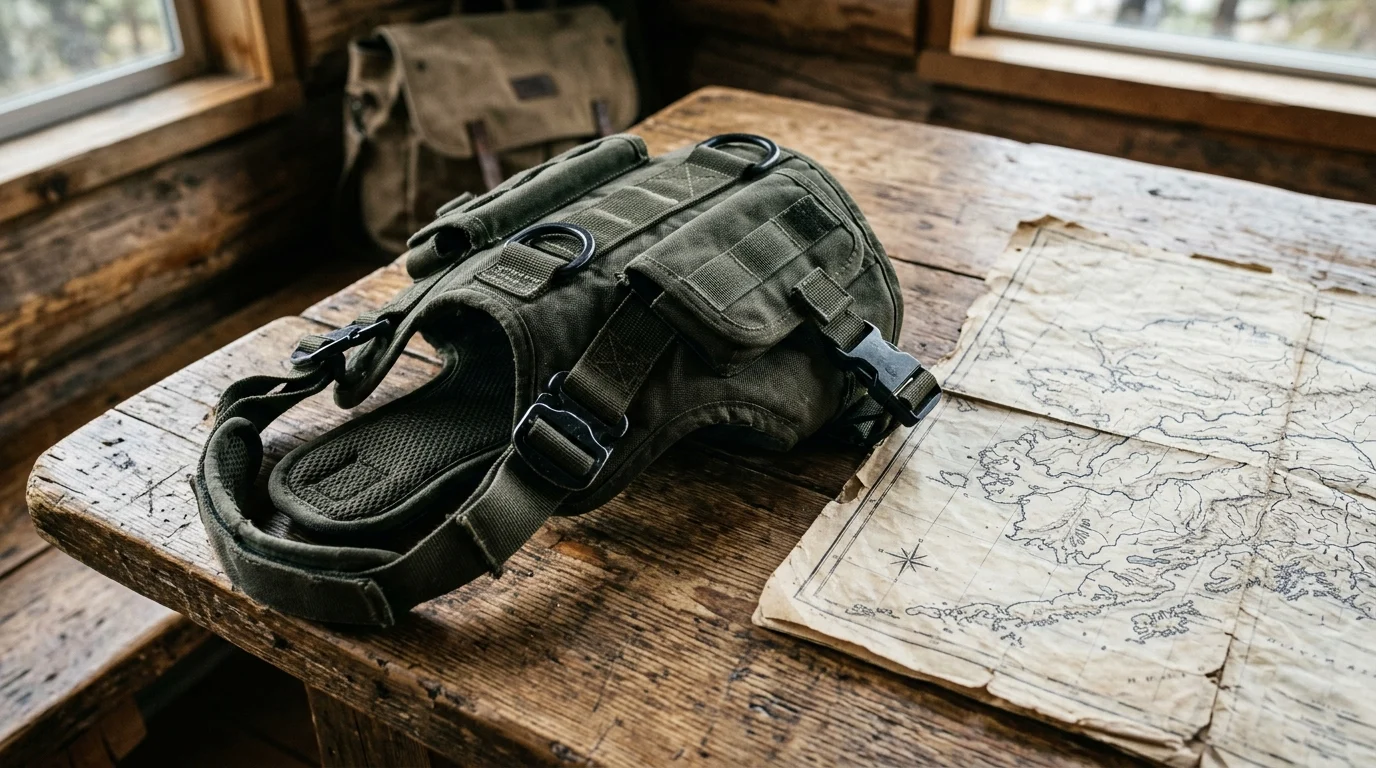
To ensure the film maintained a high level of technical accuracy regarding canine behavior and military tactics, the production employed Steve Stoops, a specialized Military Combat Assault Dog Consultant. Stoops’ involvement focused on the realistic portrayal of how a high-level working dog would react in survival scenarios and combat-adjacent environments, providing a layer of authenticity to the fictional narrative.
The dog at the center of the film, Odin, is portrayed by a German Shepherd named Uber. For audiences concerned about the fate of the animal, production confirmed that Odin does not die in the film, a narrative choice made to focus on the resilience of the duo rather than tragedy.
Production and Setting
Despite being set in the harsh environments of Alaska, “Heart of the Beast” was actually filmed on the South Island of New Zealand. The production primarily utilized locations around Queenstown to stand in for the Alaskan frontier. The film has found significant resonance with audiences since its debut.
By blending Alexander’s personal inspiration with the technical expertise of military consultants, the film creates a realistic atmosphere that has led many to question its origins. However, the story remains a standalone work of fiction designed to highlight the unique partnership between veterans and their service animals.