
In the world of prestige television, the death of a major character is often a moment of mourning. However, some figures are crafted with such intentional malice that their eventual demise serves as a cathartic release for the audience. A recent retrospective has identified five iconic villain deaths that transcended typical plot twists to become celebrated moments of “television justice.”
These characters were designed to be loathsome, ensuring that when they finally met their ends, fans reacted with cheers rather than tears.
Joffrey Baratheon (Game of Thrones)
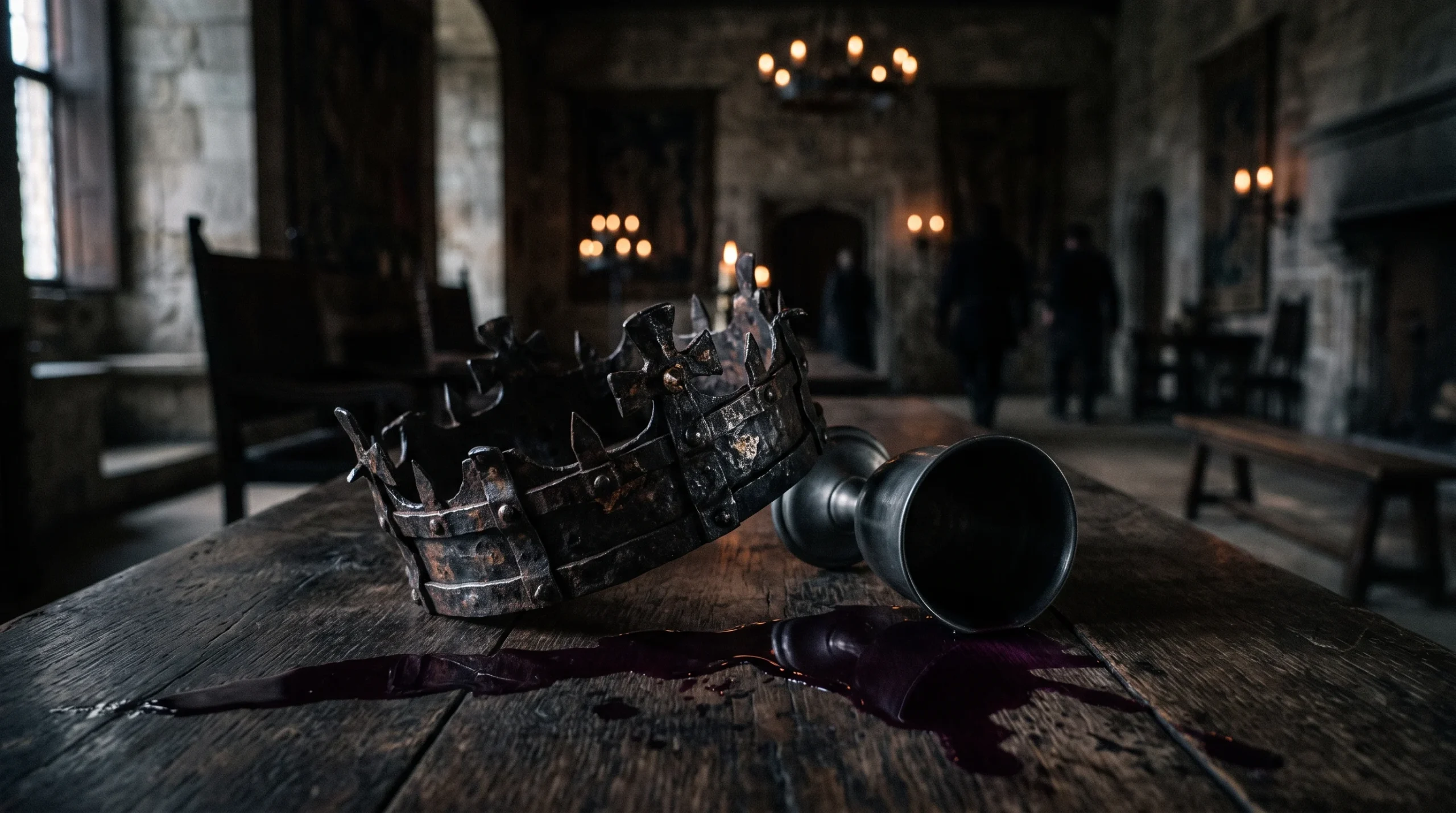
Few characters in television history have inspired as much universal vitriol as Joffrey Baratheon. In the Season 4 episode “The Lion and the Rose,” the boy king finally met his end at his own wedding feast, an event fans quickly dubbed the “Purple Wedding.” Poisoned by Olenna Tyrell, Joffrey’s agonizing death was a long-awaited payoff for years of cruelty toward fan-favorite characters.
The impact of his departure was measurable; a 2017 survey revealed that 44% of Game of Thrones viewers ranked Joffrey’s death as the most satisfying in the entire series. Despite the character’s reputation, actor Jack Gleeson was frequently praised for his performance, though he eventually stepped away from acting for several years following his time on the show.
Ralph Cifaretto (The Sopranos)
Ralph Cifaretto was a volatile and repulsive presence even by the standards of the DiMeo crime family. His death in the Season 4 episode “Whoever Did This” came at the hands of Tony Soprano following a brutal fight in a kitchen. While the immediate cause of the fight was a dispute over a racehorse, the audience’s desire to see Ralph gone had been building since his horrific actions in previous seasons.
Even the man who played him shared the audience’s sentiment. In a 2020 interview with The Hollywood Reporter, actor Joe Pantoliano offered a blunt dismissal of his character, stating “F him” when reflecting on the role. Pantoliano noted that while the character was a professional highlight, Ralph was a “bad guy” through and through.
The Governor (The Walking Dead)
Philip Blake, better known as The Governor, served as the primary antagonist of The Walking Dead for two seasons. His obsession with destroying Rick Grimes’ group led to the fall of the Prison and the death of several beloved characters. His story finally ended in the Season 4 midseason finale, “Too Far Gone,” when he was run through by Michonne and finished off by Lilly Chambler.
His death represented the end of a dark era for the survivors, providing a sense of closure after he had spent episodes manipulating others and refusing every opportunity for peace.
Todd Alquist (Breaking Bad)
Todd Alquist was a different kind of villain—a polite, soft-spoken sociopath whose lack of empathy made him terrifying. From the moment he callously killed a witness during a train heist, Todd became a character the audience desperate to see punished. That moment arrived in the series finale, “Felina.”
The satisfaction for viewers came not just from Todd’s death, but from who delivered it. Jesse Pinkman, who had been kept as a prisoner and slave by Todd’s gang, used his shackles to strangle Todd. It was a rare moment of pure “payback” in a series that often dwelled in moral ambiguity.
Kilgrave (Jessica Jones)
While many superhero villains seek world domination, Kilgrave was uniquely loathed for the personal, intimate nature of his crimes. His ability to control minds made him a walking nightmare for the protagonist, Jessica Jones. In the Season 1 finale, “AKA Smile,” Jessica finally overcame his influence, snapping his neck after tricking him into believing he had regained control over her.
The death was a major milestone for the series, serving as a definitive end to the trauma the character had inflicted throughout the first season. By opting for a permanent end to the character, the show provided a sense of finality and triumph that resonated deeply with viewers.