


Online safety bill: what to expect
by Jane Wakefield
Technology reporter
- Published
Sharing information
A report from a joint committee of MPs and gentlemen is expected in the coming days recommending what should be included in the Online Safety Bill.
The relevant legislation is one of the first attempts to establish by law a series of rules on how online platforms should treat content.
His mandate is huge, too broad for some. But others say it doesn’t go far enough.
What is the bill for?
The three things the bill aims to do are:
- prevent the dissemination of illegal content and activities such as child pornography, terrorist material and hate crimes, including racist abuse
- protect children from harmful material
- protect adults from legal but harmful content
There are a lot of challenges: should pornography sites use age verification? How should abuse from an anonymous account be handled? And how to make sure that there are strong guarantees for free speech?
The legislation largely puts the burden on the tech giants to figure out how and empowers a regulator – Ofcom – to check if they do a good enough job.
Companies that do not comply with the new rules could face fines of up to 18 million pounds, or 10% of their global annual turnover, whichever is higher.
Where is the legislation currently?

Online content management is something the government has been playing with for years, originally under the name “Online Harms”.
The new online safety law is still a draft and has been scrutinized for several months by the Joint Parliamentary Committee, which is expected to present its recommendations overnight.
It will then return to the Department of Digital, Culture, Media and Sport (DCMS) for a final decision on what to include, ahead of its presentation to Parliament around March 2022.
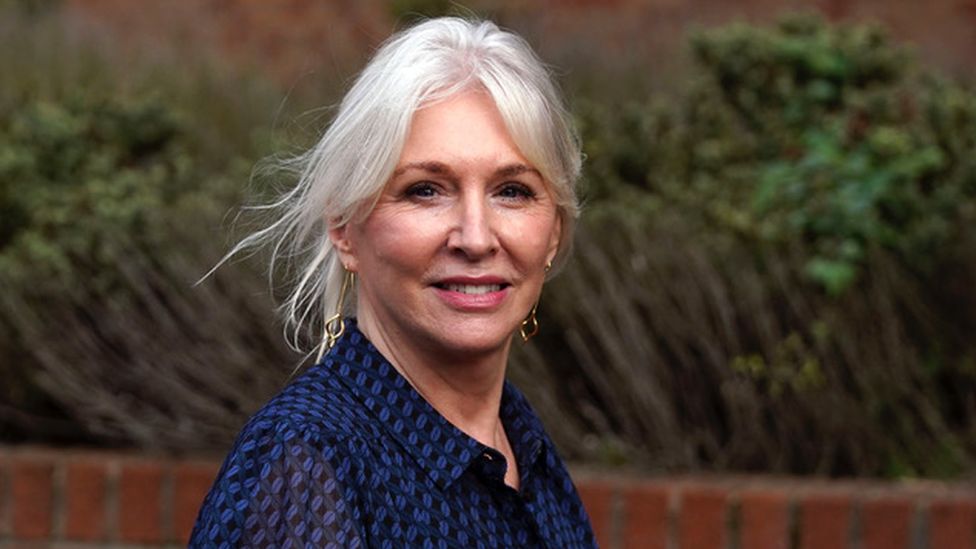
Since its original draft, the DCMS has undergone major changes, with a new secretary of state – Nadine Dorries.
She seems to want to raise the bill considerably, potentially restoring the option for tech executives to face jail if they fail to remove what she calls “malicious algorithms.”
And he doesn’t seem thrilled to give them the current two-year grace period to get their homes in order, telling the joint committee that six months is a better time frame.
Politicians have been increasingly targeted by trolls, and Mrs Dorries has had a personal experience of this, so it may be a priority for her.
Who will supervise it?
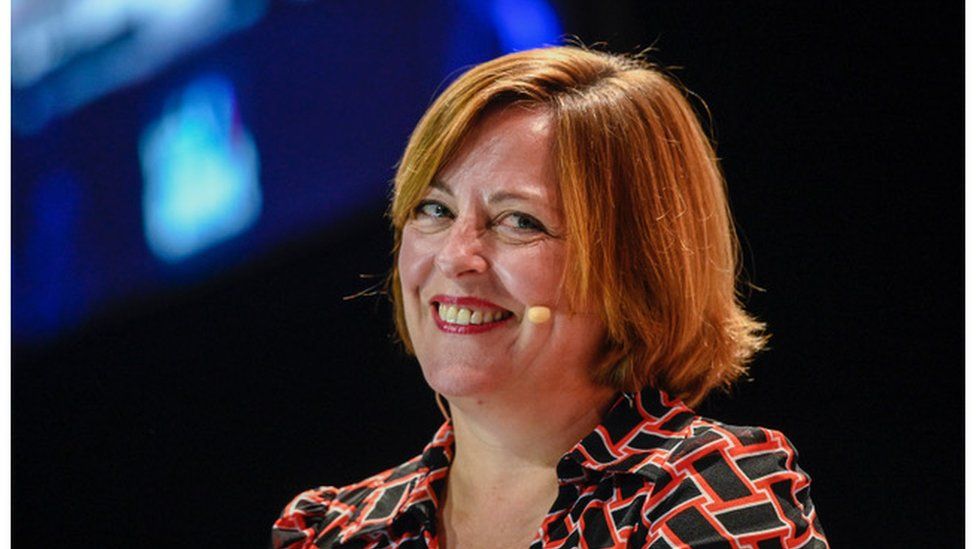
Ofcom is set to get a lot more power. He will be tasked with monitoring whether the tech giants are doing enough to prevent the spread of illegal content, such as child abuse images, terrorist material and racist abuse.
But he’ll also need to make sure they’re doing enough to prevent “legal but harmful” content – a complicated definition that no one has quite nailed down.
Ofcom chief executive Dame Melanie Dawes told the joint committee that the regulator was ready for his challenging new role, but warned his team could be overwhelmed with complaints when legislation is introduced.
He also admitted that Facebook, Google and Twitter will field teams of lawyers to fight it.
Despite these doubts, Ofcom is courageously facing the challenges that lie ahead. He told the BBC that he is preparing for the task by “acquiring new technologies and data skills”.
Tech companies, he said, should be “much more open to us and their users” about how they intend to protect them from harmful content and how they intend to remove illegal posts quickly.
What are the tech giants saying?
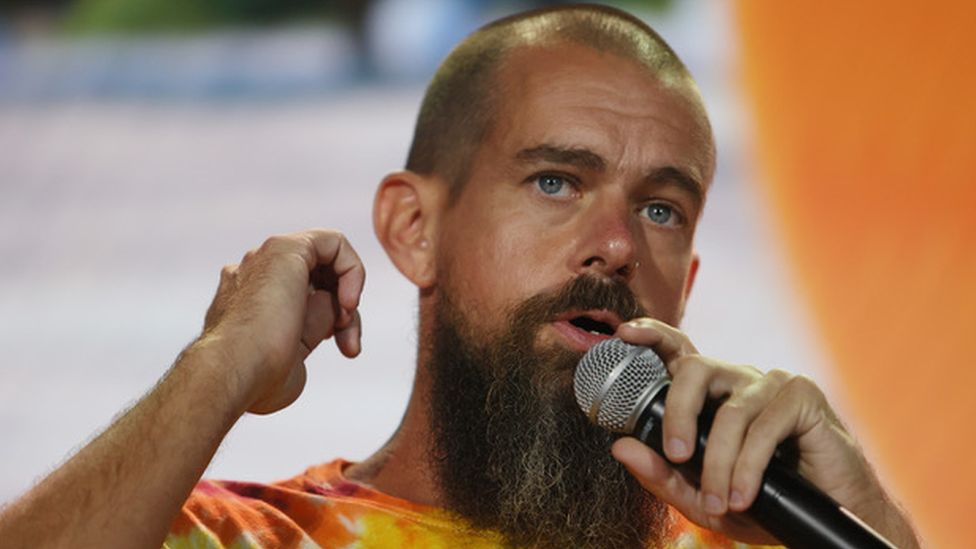
The giants of social media have undergone some huge changes since the legislation was announced: Facebook decided to pursue the “metaverse” and changed its name, while Twitter split from founder Jack Dorsey.
But their position on the bill, so far, remains unchanged.
They are cautiously welcoming, but eager to reiterate all the measures they have put in place to protect users and constantly repeat how much money they have spent on the security of the platform.
Monica Bickert, Meta’s vice president of content policy, said Facebook wants governments to set new rules because “companies like ours shouldn’t make these decisions themselves.”
In an article for the Telegraph, he acknowledged that the UK is leading the way: “While we won’t agree with all the details, we are delighted that the online safety law is moving forward.”
What changes could be made?
Both Martin Lewis of Moneyexpert.com and the group of consumers who campaigned for the bill to include advertisements for online scams, which they believe cause enormous financial and emotional harm to victims and should be something that tech companies can crack down on. .
It seems unlikely it will find its way into legislation – Nadine Dorries recently said she needed her own bill.
The NSPCC, which has been one of the most vocal critics of the bill in its current form, signed an open letter to Nadine Dorries, asking her to put children “at the center” of the bill.
It defined a five-point plan to strengthen the legislation:
- stop grooming routes
- address how offenders use social media to organize abuse
- have a designated person responsible for child safety
- give more powers to combat abuse in private messaging
- establish a statutory body that represents the interests of children
What are the other criticisms?

The Censorship Index and the Open Rights Groups warned that the idea that speech could be called “harmful” was a dangerous idea in itself, and outsourcing the decision on when to remove it to Silicon Valley companies is just as well. hard.
These words were echoed by lawyer Yair Cohen, of Cohen Davis Solicitors, who told the BBC: “The technology companies have now officially become the equivalent of the owners of a potential crime scene who are also in charge of investigating the crime. in their seat while they also act both as judges and as executioners ».
He said Parliament was “extremely lazy” by delegating it to tech companies.
And he added that the simplest way for legislation to turn online abuse into an unacceptable form of antisocial behavior is for victims to be able to “expose their attackers”.
“Knowing that their identity could be easily disclosed would discourage 90% of online abusers, most of whom are otherwise normative individuals,” he said.
Related topics
- Online safety bill
- Snapchat
- half
-
The government outlines plans to protect online users
- Published
- May 12
Read More about Tech News here.
This Article is Sourced from BBC News. You can check the original article here: Source


